I’ve worked with a few fitness businesses over time, and one thing keeps repeating.
Most gyms don’t struggle because of equipment or trainers.
They struggle because people simply don’t find them online.
And honestly, that’s changed the entire game.
A few years ago, word-of-mouth and walk-ins could keep a gym running comfortably. That’s not really the case anymore. Now, even if someone hears about your gym from a friend, they still search it on Google before deciding.
If you don’t show up there… you’re basically invisible.
That’s where a gym SEO strategy starts to matter.
Not as a “marketing trick,” but as basic visibility.
So What Is A Gym Seo Strategy Really?
In simple terms, it’s just making sure your gym shows up when people search for fitness-related things in your area.
Like:
- best gym near me
- affordable gym membership in [city]
- personal trainer near me
- fitness classes nearby
Nothing fancy.
But here’s the thing most people miss — SEO isn’t about traffic. It’s about timing.
You’re not trying to “educate the internet.” You’re trying to show up when someone is already thinking about joining a gym.
That difference matters more than most marketing advice out there.
Why Gyms Can’t Ignore SEO Anymore
I’ll be honest — most gym websites I’ve seen are just… there.
They exist, but they don’t really do anything.
Meanwhile, the way people choose gyms has become much more digital.
Before visiting, people usually:
- check Google ratings
- look at photos
- compare pricing
- read a couple of reviews
- sometimes even ask AI tools
If something feels off, they move on quickly.
No second chances.
And that’s why SEO for gyms is no longer optional. It’s just part of being in business now.
The Way People Actually Find Gyms Has Changed
This is something gym owners often underestimate.
People don’t just “find” gyms anymore.
They compare them.
Usually in this order:
- Google search
- Google Maps
- Reviews
- Photos
- Website (if they even click it)
Social media helps, sure. But I’ve noticed something interesting — social media rarely closes the deal.
Search does.
Because search means intent.
Someone typing “gym near me open now” is already halfway to becoming a member.
Local SEO Is Where Gyms Win Or Lose
If I had to pick one area where gyms should focus first, it’s local SEO.
Not backlinks. Not fancy blogs. Not ads.
Just local visibility.
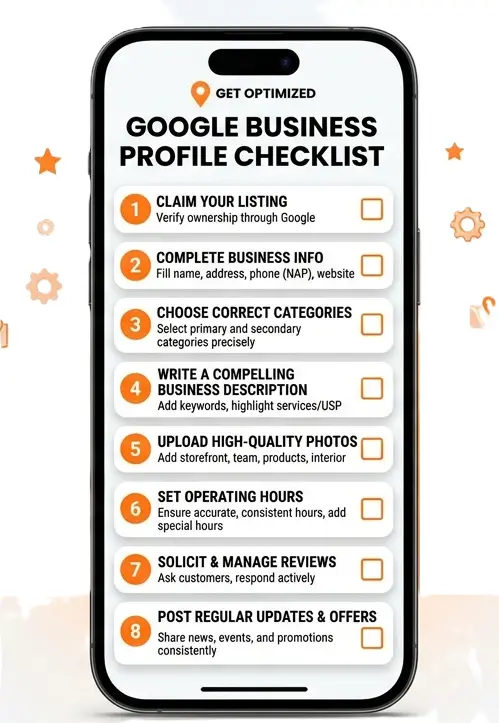
Google Business Profile matters more than your website
This is something I keep repeating because it’s often ignored.
Your Google Business Profile is usually the first impression.
It should not look half-finished.
At minimum, it needs:
- correct location
- updated timings
- real photos (not stock images, please)
- services listed clearly
- contact details
- basic pricing info if possible
And then there’s reviews.
Reviews quietly decide everything.
People don’t always read them carefully, but they notice the number and the tone instantly.
Reviews are basically your real marketing team
One gym I worked with didn’t do anything complicated.
They just started asking members casually after a good session:
“Hey, if you liked training here, could you leave a quick review?”
That’s it.
No automation. No system.
Within a couple of months, their visibility in local search improved noticeably.
Not because Google changed anything randomly — but because trust signals improved.
That’s how local SEO actually works in practice.
Keyword Research For Gym SEO (Keep It Simple)
Most keyword research goes wrong at the beginning.
People go after big, obvious terms like “gym” or “fitness center” and expect results.
But that’s not how real customers search.
Someone searching “fitness” might just be browsing.
Someone searching “gym with personal trainer near me” is much closer to joining.
That’s the difference.
What actually works better
Instead of chasing broad terms, I usually group keywords like this:
Local intent
- gym in [city]
- fitness center near me
- 24 hour gym near me
Service intent
- personal training gym
- weight loss program gym
- strength training classes
Decision intent
- gym free trial near me
- affordable gym membership
- best gym for beginners
These are the searches that actually bring enquiries, not just traffic.
A small truth most SEO tools don’t show clearly
Lower search volume keywords often convert better for gyms.
High-volume terms usually bring curiosity.
Local intent brings action.
That’s something you only really notice after working with a few real businesses.
Content on Gym Websites (Most People Overthink This)
Most gym blogs fail because they sound like brochures.
Nobody reads them.
What actually works is simple content that answers real questions people already have.
Things like:
- how to start going to the gym as a beginner
- what to eat before workouts
- how many days a week should I train
- is strength training good for weight loss
Nothing revolutionary.
But useful.
And usefulness is what search engines are quietly rewarding more and more.
One pattern I’ve seen
When gyms start publishing even basic helpful content consistently, something interesting happens.
People who visit the blog don’t always convert immediately… but they remember the gym name later when they’re ready.
SEO is rarely instant. It builds familiarity first.
Your Website Doesn’t Need To Be Complex
A lot of gym websites try too hard.
But users don’t want complexity.
They want clarity.
Your site should quickly answer:
- where you are
- what you offer
- how much it costs (or at least a range)
- how to join
If someone has to search too much, they usually don’t bother.
Backlinks For Gyms (Without Forcing It)
People overcomplicate backlinks.
For gyms, it’s actually pretty natural.
You don’t need to “build links” aggressively.
You just need to be visible in your local ecosystem.
That could mean:
- collaborating with nutritionists
- participating in local fitness events
- partnering with sports clubs
- getting listed in local directories
Gyms that stay active in their local community usually end up being mentioned online anyway.
Sometimes without even trying.
That’s just how local ecosystems work.
Technical SEO (keep it basic)
Most gym websites don’t need advanced technical SEO.
Just don’t break the basics:
- site should load fast
- works properly on mobile
- contact buttons should be easy to find
- forms should actually work
- pages shouldn’t be cluttered
That’s enough for 90% of gyms.
How To Know If Your Gym SEO Is Working
Forget vanity metrics.
What matters is:
- phone calls
- form submissions
- Google Maps direction requests
- trial bookings
- membership enquiries
Traffic is nice.
But enquiries are what keep the gym running.
Common Mistakes I See Again And Again
Some patterns repeat across gyms:
- ignoring Google Business Profile
- depending only on Instagram
- not asking for reviews
- copying generic website templates
- expecting SEO to work in 2–3 weeks
SEO takes time.
SEO takes time.
Not because it’s complicated, but because trust builds slowly.
Final thought
If you’re a gym or fitness business trying to grow online, just having a website or running ads isn’t enough anymore. You need to show up when people are actively searching for what you offer.
That’s where we come in. At Hotbit Digital, we focus on SEO and performance-driven strategies that help bring in consistent, real enquiries—not just random traffic.
Most gyms don’t fail because of lack of effort.
They fail because people don’t discover them at the right time.
And in fitness, timing matters more than persuasion.
If your gym appears exactly when someone is searching for it, half the marketing job is already done.
That’s really what a gym SEO strategy is about — not ranking just for visibility, but showing up at the moment when intent is already there.
Frequently Asked Questions (FAQ):
What is a gym SEO strategy?
It’s how a gym improves visibility on Google so local people can find it and join.
How long does gym SEO take?
Usually a few months, depending on competition and consistency.
Can SEO actually bring gym members?
Yes, especially local SEO targeting nearby searches.
Is SEO better than ads for gyms?
Ads are faster. SEO is more stable long-term. Most gyms benefit from both.
What kind of content works for fitness websites?
Beginner-friendly, practical fitness advice and local service pages.