The fitness industry has become highly competitive, with new gyms, fitness studios, and personal training centers opening regularly. In most cities, potential customers have multiple options within a small radius.
Because of this, visibility on Google has become one of the most important factors for growth.
When people search for terms like “gym near me” or “fitness center in [city],” they are usually ready to join or visit. If your gym is not appearing in those search results, you are losing potential members to competitors who are more visible online.
This is where SEO for gyms becomes essential.
Search engine optimization helps your gym appear in front of people actively searching for fitness services. When done correctly, it can generate consistent leads, increase memberships, and reduce dependence on paid advertising.
Why SEO Matters for Gyms
SEO is one of the most effective long-term growth strategies for fitness businesses.
Unlike paid ads, which stop generating traffic once the budget ends, SEO continues to deliver results over time.
A strong Gym SEO strategy helps:
- Attract people actively searching for fitness services
- Increase visibility in local search results
- Build trust through higher Google rankings
- Reduce long-term customer acquisition costs
- Generate consistent membership inquiries
In simple terms, better rankings lead to more visibility, and more visibility leads to more members.
Local SEO for Gyms (Most Important Ranking Factor)
For gyms, local SEO is the foundation of online growth. Most users are not searching for gyms in general—they are searching for gyms near their location.
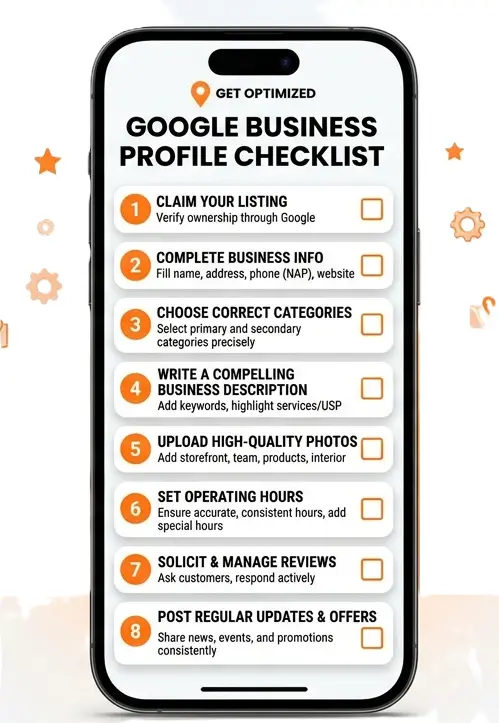
Optimize Your Google Business Profile
Your Google Business Profile is one of the most important ranking signals for local search.
To optimize it effectively:
- Ensure business name, address, and phone number are accurate
- Add high-quality images of your gym and facilities
- List all services clearly (personal training, group classes, etc.)
- Post regular updates and offers
A well-optimized profile improves visibility in Google Maps and local search results.
Reviews and Reputation Management
Reviews directly influence both rankings and customer trust.
To improve your local performance:
- Ask satisfied members to leave reviews
- Respond to all reviews professionally
- Maintain a steady flow of new feedback
Gyms with strong reviews often outperform competitors even with weaker websites.
Location-Based Optimization
Your website should clearly communicate where your gym operates.
Instead of generic terms, use location-specific phrases such as:
- gym in [city]
- fitness center near [area]
- personal trainer in
These should appear naturally in titles, headings, and content.
Build Local Citations
Local citations help search engines verify your business information and strengthen your local SEO presence. They act as trust signals that confirm your gym is a legitimate and established business in a specific location.
To improve local rankings in the USA, list your gym on reputable directories such as:
- Google Business Profile (Google Maps)
- Yelp
- Bing Places for Business
- Apple Maps
- Better Business Bureau (BBB)
- Foursquare
- Yellow Pages (YP.com)
- Chamber of Commerce listings (local city chapters)
Consistency is extremely important. Your business name, address, phone number, and website should be exactly the same across all platforms. Even small inconsistencies can reduce your local ranking potential and confuse search engines.
Keyword Strategy for Gym Websites
A successful SEO strategy is not about targeting random keywords. It is about understanding how users search and structuring your content accordingly.
Understanding Search Intent
Every keyword reflects a different level of intent:
High-Intent Searches
These users are ready to take action:
- gym near me
- fitness center in [city]
- personal trainer near me
These are the most valuable for generating memberships.
Comparison Searches
These users are evaluating options:
- best gym in [city]
- affordable gyms near me
These help influence decision-making.
Informational Searches
These users are researching:
- workout plans
- weight loss tips
These help build authority and attract early-stage users.
How Keyword Clusters Work (Important Concept)
Instead of treating SEO as individual keywords per page, modern search engines evaluate the overall topic coverage of a page.
This means your content should naturally include related concepts that fall under the same theme.
For example, a page about SEO for gyms may also discuss related ideas such as gym website optimization, fitness marketing strategies, and how fitness businesses improve visibility online.
These are not separate keywords to force into content. They represent a broader topic ecosystem that helps search engines understand the depth and relevance of your page.
When used correctly, this improves topical relevance and allows your page to rank for multiple related search queries, not just one.
Focus on Long-Tail Keywords
Long-tail keywords are more specific and easier to rank for.
Examples include:
- best gym for weight loss in [city]
- affordable gym with personal trainer near me
- 24-hour fitness center in
These searches often convert better because the user intent is stronger.
SEO Strategies for Different Types of Gyms
Different gyms require different SEO approaches depending on their business model and audience.
Fitness Studios (Yoga, Pilates, Zumba)
Fitness studios rely heavily on class-based searches.
Focus on:
- yoga classes in [city]
- Pilates studio near me
- Zumba classes in
Each class should have a dedicated landing page with:
- schedule details
- instructor information
- benefits of the class
This improves both visibility and conversions.
CrossFit and Strength Training Gyms
These gyms attract performance-focused audiences.
Focus on:
- CrossFit gym near me
- strength training programs
- functional fitness training
Content should include:
- workout guides
- transformation stories
- community activities
This builds authority and engagement.
Health Clubs and Large Fitness Centers
These gyms compete based on facilities and membership value.
Focus on:
- gym with swimming pool in [city]
- fitness club with sauna
- premium gym membership plans
Dedicated pages should be created for:
- memberships
- facilities
- pricing
On-Page SEO for Gym Websites
On-page SEO ensures your website is structured properly for both users and search engines.
Optimize Titles and Headings
Example:
Best Gym in [City] | Personal Training and Fitness Classes
Headings should be clear, structured, and naturally include relevant terms.
Create Dedicated Service Pages
Each service should have its own page:
- personal training
- group fitness classes
- nutrition coaching
This improves relevance and keyword targeting.
Improve Internal Linking
Internal linking helps search engines understand site structure and improves page authority distribution.
For example:
- Blog content should link to service pages
- Homepage should link to key location pages
If you want to understand how local visibility impacts rankings, you can read our detailed guide on local SEO for gyms and ranking in “near me” searches.
Ensure Mobile Optimization
Most users search for gyms on mobile devices, so your website should:
- load quickly
- be easy to navigate
- have clear call-to-actions
Content Strategy for Gyms
Content plays an important role in building authority and improving rankings over time.
Useful content includes:
- beginner workout routines
- weight loss guides
- nutrition advice
- fitness tips
Regular publishing signals relevance to search engines and helps improve long-term visibility.
Link Building for Gyms
Backlinks remain one of the strongest ranking factors in SEO.
Effective strategies include:
- partnering with local businesses
- writing guest posts for fitness websites
- sponsoring local events
- earning media mentions
Focus on quality and relevance rather than volume.
Example of SEO Impact
A local gym struggling with online visibility focused on improving its Google Business Profile, optimizing its website structure, and publishing helpful fitness content.
Over time, this led to improved rankings, increased traffic, and more membership inquiries.
SEO works gradually, but its effects compound over time.
Need Help Growing Your Gym with SEO?
If you want to improve your gym’s visibility on Google and consistently attract new members, SEO can make a significant difference—but it needs to be done strategically.
At Hotbit Digital, we help gyms and fitness businesses build strong local search visibility, rank higher on Google, and generate consistent membership leads through data-driven SEO strategies.
If you’re looking to grow your gym’s online presence and turn your website into a steady source of inquiries, our team can help you build a customized SEO plan based on your location, competition, and goals.
Get in touch with us to discuss how we can help your gym rank higher and attract more members.
Frequently Asked Questions
What is SEO for gyms?
SEO for gyms is the process of optimizing a gym’s website and online presence to improve visibility in search engines and attract more members.
How long does SEO take for gyms?
Most gyms see noticeable improvements within three to six months, depending on competition and execution.
What keywords should gyms target?
Gyms should focus on local keywords, service-based keywords, and high-intent searches like “gym near me” and “fitness center in [city].”
Is SEO better than ads for gyms?
SEO provides long-term results, while ads provide immediate but temporary traffic. A combined strategy often works best.