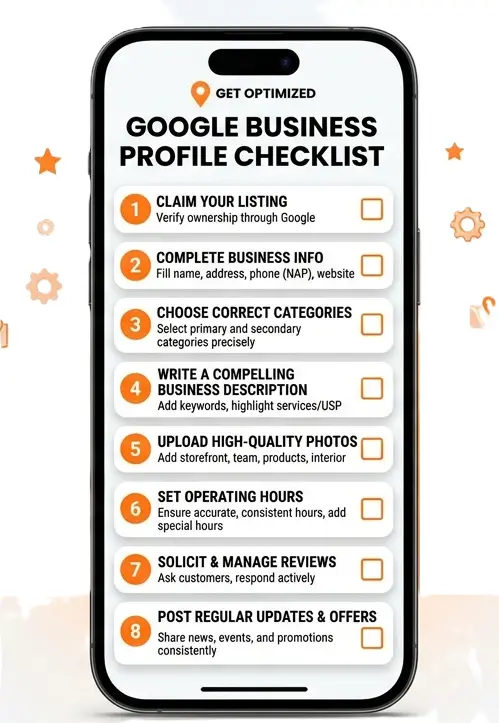
A restaurant’s reputation can influence whether a customer chooses to visit, order online, or move on to another business. Before trying a restaurant, customers often check Google ratings, online reviews, social media comments, photos, and other customer feedback.
This makes restaurant online reputation management service an important part of modern restaurant marketing. It helps restaurants monitor what customers are saying online, respond to reviews, improve their ratings, and build a stronger digital presence.
What Is Restaurant Online Reputation Management?
Restaurant online reputation management is the process of monitoring, managing, and improving how a restaurant is perceived across online platforms.
It goes beyond simply responding to reviews. A complete restaurant reputation management service can include review monitoring, response management, customer feedback analysis, reputation monitoring, Google Business Profile optimization, review generation, and performance reporting.
The goal is simple: help restaurants create a positive online presence that builds customer trust and supports business growth.
Why Online Reputation Matters for Restaurants
Customers have more choices than ever. When several restaurants offer similar food, prices, and locations, online reputation can become a deciding factor.
A restaurant with a strong rating and recent positive reviews can create immediate confidence. On the other hand, unanswered complaints, outdated information, or a low rating can make potential customers hesitate.
Effective online reputation management for restaurants can help with:
- Building trust with potential customers
- Improving online ratings and reviews
- Increasing visibility in local search
- Identifying recurring customer complaints
- Improving customer experience
- Protecting the restaurant’s brand image
- Turning customer feedback into business insights
Your online reputation is therefore not just a marketing asset. It can also provide valuable information about what customers like, what frustrates them, and where the restaurant can improve.
Why Restaurant Reputation Management Is Different
Restaurant reputation management isn’t the same as reputation management for a typical local business.
Restaurants deal with high review volume, location-specific feedback, delivery experiences, wait times, food quality, staff interactions, reservations, menu accuracy, and customer expectations.
A single issue can generate multiple reviews across different platforms. For restaurant groups, these challenges multiply because every location develops its own reputation.
That means a restaurant reputation management strategy needs to do more than monitor star ratings. It should help businesses identify recurring complaints, understand customer sentiment, respond consistently, and turn feedback into operational improvements.
What Does a Restaurant Reputation Management Service Include?
A professional restaurant reputation management service should cover the major areas that influence a restaurant’s online reputation.
1. Online Review Monitoring
Customers may leave feedback on Google and other review platforms. Monitoring these reviews manually can become difficult, especially for busy restaurant teams or businesses with multiple locations.
A reputation management service helps track new reviews and customer feedback so important comments do not go unnoticed.
2. Restaurant Review Response Management
Responding to reviews shows customers that their opinions matter.
Positive reviews can receive a genuine thank-you, while negative reviews require a thoughtful and professional response. The objective is not to argue with an unhappy customer. Instead, restaurants should acknowledge the concern, demonstrate accountability, and provide an appropriate next step when necessary.
Fast and consistent restaurant review responses can also show potential customers that the business actively listens to feedback.
3. Review Generation
Restaurants need a steady flow of authentic customer feedback. A review generation strategy can encourage satisfied customers to share their experiences on relevant platforms.
A reputable review management strategy should never rely on fake reviews, paid reviews, incentives, or selectively filtering customers to produce only positive feedback. The goal is to make it easy for genuine customers to share honest experiences.
More recent, authentic reviews can give potential customers a better understanding of the current restaurant experience.
4. Google Business Profile Management
For restaurants, Google plays an important role in local discovery. Customers may search for restaurants by cuisine, location, or specific needs and then compare businesses based on ratings, reviews, photos, opening hours, and other information.
Managing the restaurant’s Google Business Profile and keeping important information accurate can support a stronger local presence.
5. Negative Review Management
Negative reviews are inevitable for most restaurants. Even businesses that provide excellent food and service may occasionally receive complaints.
The key is how the restaurant responds.
A strong restaurant reputation management agency can help identify negative feedback, prioritize urgent issues, and create professional responses. More importantly, recurring complaints can reveal operational problems that deserve attention.
For example, repeated comments about slow service may indicate a staffing or workflow issue. Complaints about inaccurate menu information could point to a communication problem.
Can a Restaurant Remove Negative Reviews?
Not every negative review can or should be removed. If a review reflects a genuine customer experience, the better approach is usually to respond professionally and address the underlying issue.
However, restaurants can report reviews that violate platform policies, such as certain types of fake or prohibited content.
How Restaurant Reputation Management Works
An effective reputation management process can be summarized in five steps:
Monitor → Analyze → Respond → Improve → Measure
First, monitor reviews and customer feedback across relevant channels.
Next, analyze what customers are saying. Look for common themes, sentiment, ratings, and recurring problems.
Then, respond to customers professionally and consistently.
After that, use feedback to improve products, service, communication, or operations.
Finally, measure results such as review volume, rating trends, response rates, customer sentiment, and other relevant reputation metrics.
This approach makes reputation management an ongoing business process rather than a one-time marketing activity.
Benefits of Online Reputation Management for Restaurants
Investing in restaurant reputation management services can provide several benefits.
Build Customer Trust
Potential customers often use reviews and ratings as a shortcut for deciding whether a restaurant is worth trying. A well-managed reputation can make the business appear more trustworthy and reliable.
Improve Local Visibility
Reviews, ratings, business information, and customer engagement are important parts of a restaurant’s broader local search presence. A strong reputation strategy can complement other restaurant local SEO efforts.
Increase Positive Customer Feedback
A structured review management process makes it easier to monitor feedback and encourage genuine customers to share their experiences.
Identify Customer Experience Problems
Reviews can reveal issues that internal teams may not notice. Looking at feedback collectively can help restaurants identify patterns instead of treating every review as an isolated complaint.
Save Staff Time
Restaurant managers already have to handle staff, operations, suppliers, customers, and daily service. Manually checking multiple platforms and responding to every review can consume valuable time.
Reputation management tools and services can centralize this process and make it easier to manage.
Restaurant Reputation Management for Multi-Location Businesses
Reputation management becomes even more challenging for restaurant groups, franchises, and multi-location businesses.
Each location may receive its own reviews, ratings, complaints, and customer feedback. Managing these manually can lead to inconsistent responses and missed reviews.
A multi-location restaurant reputation management strategy can provide centralized monitoring while allowing businesses to identify location-specific issues.
Restaurant groups can compare feedback between locations, identify recurring problems, monitor rating trends, and maintain consistent brand standards.
How to Choose a Restaurant Online Reputation Management Service
Not every reputation management provider offers the same capabilities. Before choosing a service, restaurants should consider:
- Review monitoring across relevant platforms
- Review response management
- Review generation capabilities
- Google Business Profile support
- Sentiment and feedback analysis
- Reporting and analytics
- Automation and AI capabilities
- Multi-location support
- Integration with existing restaurant technology
- Customer support and scalability
The right solution should fit the restaurant’s size, goals, number of locations, and existing marketing processes.
Is Restaurant Reputation Management Worth It?
For restaurants that depend heavily on local customers, online discovery, and customer reviews, reputation management can be a valuable investment.
The real value is not simply having more five-star reviews. It is about creating a reliable system for listening to customers, responding to feedback, identifying problems, and strengthening customer trust.
A strong restaurant online reputation management service can bring these activities together, helping restaurant teams protect their brand while creating a better customer experience.
Get Restaurant Reputation Management Support from Hotbit Digital
For restaurants looking to strengthen their online presence, Hotbit Digital provides digital marketing solutions designed to help businesses improve visibility, attract customers, and grow online. Its services include SEO, online reputation management, PPC, content marketing, social media marketing, and website development.
Hotbit Digital works with businesses across the USA and other markets, creating data-driven digital marketing strategies tailored to their goals. Whether you need help managing your restaurant’s online reputation, improving search visibility, or generating qualified leads through paid advertising, Hotbit Digital can support your broader digital growth strategy.
Build a Stronger Restaurant Reputation
Your restaurant’s online reputation is shaped by what customers see, read, and experience across digital channels. Ignoring reviews or responding only when a problem becomes serious can allow small reputation issues to become larger business challenges.
With the right restaurant online reputation management service, businesses can monitor customer feedback, manage reviews, strengthen their online presence, and turn customer insights into meaningful improvements.
The result is more than a better rating. It is a stronger relationship with customers and a digital reputation that supports long-term restaurant growth.
FAQs About Restaurant Reputation Management
How can I improve my restaurant’s online reputation?
Start by monitoring customer reviews, responding professionally, keeping business information accurate, encouraging genuine customer feedback, and addressing recurring service issues.
How do restaurants handle negative reviews?
Restaurants should respond calmly, acknowledge the customer’s concern, avoid arguments, and provide an appropriate resolution when possible. Repeated complaints should also be analyzed for underlying operational issues.
How can restaurants get more Google reviews?
Restaurants can make it easy for satisfied customers to leave genuine feedback by providing clear review requests through appropriate customer communication channels.
What is restaurant reputation management software?
Restaurant reputation management software helps businesses monitor reviews, manage responses, analyze customer feedback, track reputation metrics, and manage reputation-related activities from a centralized platform.
How much does restaurant reputation management cost?
The cost depends on factors such as the number of locations, platforms being monitored, level of automation, reporting requirements, and whether the restaurant uses software, a managed service, or a combination of both.