Patients do more research online before choosing a healthcare provider. They search for services, compare providers, read reviews, and look for answers to their questions before deciding who to contact. For healthcare businesses, this makes a strong online presence an important part of patient acquisition. The right healthcare marketing agency can help you improve visibility, reach the right audience, generate qualified leads, and turn online interest into real business opportunities.
A healthcare digital marketing agency can bring SEO, paid advertising, content marketing, local search, website optimization, and patient engagement into one connected strategy. Today, that strategy can also include Generative Engine Optimization (GEO) as AI-powered search becomes another way people discover information.
However, choosing an agency is not simply about finding one that offers the most services. You need a partner that understands healthcare, your target audience, your business goals, and the practical challenges involved in turning online visibility into measurable results.
This guide explains the key healthcare digital marketing services, strategies, and factors business owners and decision-makers should consider before choosing an agency.
About Hotbit Digital's Healthcare Marketing Experience
Hotbit Digital works with healthcare organizations across areas including psychotherapy, telehealth, complex care, and mental health. Its healthcare marketing work covers patient engagement, digital visibility, SEO, search engine marketing, PPC, content marketing, geofencing, physician outreach, and customized campaigns.
This industry experience gives Hotbit Digital a practical understanding of the different audiences a healthcare organization may need to reach, from prospective patients to physicians and referral partners.
What Does a Healthcare Digital Marketing Agency Do?
A healthcare digital marketing agency helps healthcare businesses attract and engage their target audiences through online channels.
Depending on your goals, an agency may provide:
- Search engine optimization (SEO)
- Local SEO
- Paid search and PPC advertising
- Content marketing
- Social media marketing
- Email marketing
- Website development and optimization
- Online reputation management
- Lead generation
- Patient engagement
- Physician outreach
- Generative Engine Optimization (GEO)
The goal is not simply to generate more website traffic. The bigger goal is to connect your marketing activity to business outcomes.
For example, a person may search for a healthcare service in your area and find your website through Google. If that website clearly explains your services, answers important questions, demonstrates expertise, and provides an easy way to contact you, the visitor has a clearer path from search to inquiry or appointment.
A healthcare internet marketing agency typically brings these online channels together to help healthcare organizations reach potential patients, referral partners, or other audiences through search, advertising, content, websites, and digital communication.
Healthcare Digital Marketing Services You Should Consider
Not every healthcare organization needs the same marketing mix. A local medical practice may focus heavily on local SEO and appointment generation, while a larger healthcare organization may need a broader strategy covering SEO, paid media, content, patient engagement, and multiple locations.
Here are some of the core services worth considering.
Healthcare SEO
Healthcare SEO helps your website appear when people search for services, providers, conditions, or healthcare information related to your business.
For example, prospective patients may search for:
- Primary care doctor near me
- Dental clinic in [city]
- Physical therapy services
- Mental health provider near me
- Healthcare specialist in
A healthcare SEO strategy can include keyword research, technical SEO, on-page optimization, content, internal linking, local SEO, and improvements to website structure.
However, keyword rankings should not be the only measure of success. The more important question is whether organic visibility is attracting people who are relevant to your business.
Internal link opportunity: Link the phrase healthcare SEO services to Hotbit Digital’s healthcare service page or relevant SEO service page.
Local SEO for Healthcare Businesses
For healthcare businesses that serve specific communities, local search can be especially important.
A prospective patient may not search for a national healthcare brand. They may search for a provider close to their home or workplace.
Local SEO can include:
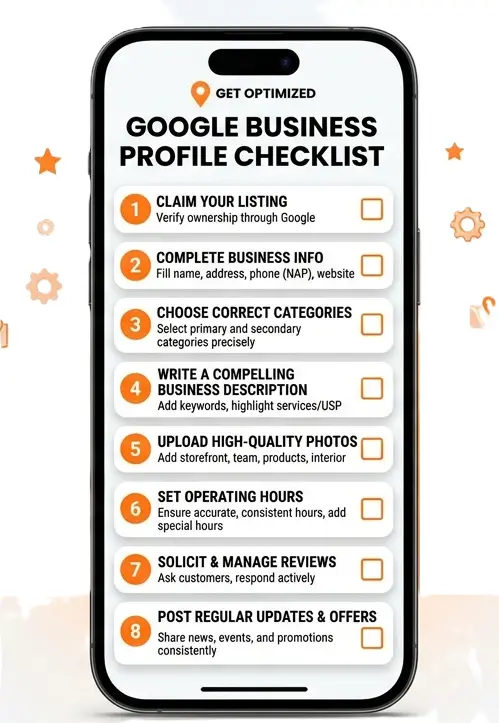
- Google Business Profile optimization
- Location pages
- Local keyword targeting
- Online reviews
- Business citations
- Consistent business information
- Location-focused website content
The goal is to make your organization easier to discover when people search for relevant services in your area.
Internal link opportunity: Link local SEO services to Hotbit Digital’s Local SEO page.
Healthcare Content Marketing
Healthcare decisions often involve research. People may want to understand a service, treatment, condition, provider, or process before they contact an organization.
That makes useful content an important part of healthcare marketing.
Content can include:
- Blog articles
- Service pages
- FAQs
- Patient guides
- Educational resources
- Videos
- Case studies
- Infographics
The strongest content is not created simply because a keyword has search volume. It addresses genuine questions and provides information that helps the reader make an informed next step.
For example, instead of creating a generic article around a broad healthcare term, a stronger strategy may address questions related to a specific service, location, patient need, or stage of the decision-making process.
Internal link opportunity: Link healthcare content marketing to Hotbit Digital’s Content Marketing service.
Healthcare Inbound Marketing
Healthcare inbound marketing focuses on attracting potential patients and other relevant audiences by providing useful information and making it easier for them to find your organization.
SEO, content marketing, educational resources, email campaigns, service pages, and conversion-focused landing pages can all support an inbound strategy.
For example, someone may first discover your healthcare organization through an educational article. From there, they may visit a related service page, learn more about your organization, and eventually contact you.
This approach focuses on helping people through their research rather than relying only on direct advertising.
Generative Engine Optimization for Healthcare
AI-powered search experiences are changing how people discover and research information. This creates another consideration for healthcare organizations: how clearly their content can be understood and represented in generative search experiences.
This is where Generative Engine Optimization (GEO) can complement a broader SEO strategy.
GEO is not a replacement for traditional SEO, and there is no guaranteed method for making an AI system cite or recommend a particular business. Google says its AI features use the same foundational SEO practices as traditional Search and that there are no additional technical requirements specifically for appearing in AI Overviews or AI Mode. Google also emphasizes helpful, reliable, people-first content.
For healthcare businesses, that means focusing on fundamentals such as:
- Clear and useful answers to common questions
- Accurate and trustworthy information
- Strong service and location pages
- Clear internal linking
- Authoritative sources where appropriate
- Content that demonstrates relevant expertise
- Good technical SEO
- A website that is easy to crawl and understand
For example, instead of only targeting “healthcare marketing agency,” content can also answer questions such as:
- What does a healthcare digital marketing agency do?
- How do I choose a healthcare marketing agency?
- What services should a healthcare digital marketing agency provide?
- How can healthcare providers attract more patients online?
This creates useful content for both traditional search and newer AI-powered discovery experiences.
Healthcare Website Optimization
Getting people to your website is only part of the process. Once they arrive, the website should make it easy to understand your services and take the next step.
A prospective patient, client, member, or referral partner should be able to quickly find:
- What you offer
- Who you serve
- Where you operate
- Why your organization is relevant
- How to contact you
- How to request an appointment or take the next step
Website performance matters too. Slow pages, confusing navigation, poor mobile experiences, and unclear calls to action can create unnecessary friction.
A healthcare digital marketing agency can help review these areas and improve the path from website visit to conversion.
Internal link opportunity: Link website development and optimization to Hotbit Digital’s relevant website development service page.
Healthcare Marketing Compliance: What Should an Agency Consider?
Healthcare marketing requires more than a strong acquisition strategy. Depending on the service, audience, location, and campaign, marketing may need to account for advertising platform policies, privacy requirements, professional regulations, and rules governing health-related claims.
For example, Google treats health as a sensitive interest category for personalized advertising and restricts some advertiser-curated audience targeting in this area.
Google also has specific healthcare and medicines advertising policies. Some healthcare-related products and services can only be advertised under certain conditions, locations, or certification requirements.
Health-related claims also require care. The Federal Trade Commission says advertising claims must be truthful and not misleading, and objective health claims generally need appropriate substantiation.
For this reason, a healthcare marketing agency should understand the advertising and compliance requirements relevant to the client’s services and target market. Marketing strategy should not be separated from the rules that govern how healthcare services and claims can be promoted.
Note: Compliance requirements vary by service, location, organization, and campaign. Businesses should obtain appropriate legal or regulatory advice for their specific situation.
What Are the Best Digital Marketing Strategies for Healthcare?
There is no single strategy that is best for every healthcare business.
Your approach should depend on your specialty, target audience, locations, competition, budget, current online presence, and business objectives.
A connected strategy may include:
- SEO to build long-term organic visibility
- Local SEO to reach people searching for nearby services
- PPC to reach relevant searchers through paid campaigns
- Content marketing to answer questions and demonstrate expertise
- Inbound marketing to guide people through the research process
- Website optimization to improve conversions
- GEO to prepare useful content for AI-powered search experiences
- Patient engagement to maintain communication beyond the initial interaction
The key is making these channels work together.
For example, a healthcare organization might publish a useful educational article, link it to a relevant service page, optimize that page for search, and provide a clear call to action. Paid campaigns can then support high-value services while analytics help the business understand which channels are producing meaningful opportunities.
What Should You Look for in the Best Digital Marketing Agency for Healthcare?
Rather than choosing an agency because it claims to be the “best,” compare agencies using clear, practical criteria.
Healthcare Experience
Look for experience with healthcare organizations similar to yours.
Ask:
- Which healthcare specialties have you worked with?
- Have you worked with organizations similar to ours?
- Can you show relevant examples?
- How do you approach healthcare content?
Healthcare marketing involves different audiences and considerations than many other industries, so relevant experience can be valuable.
Services That Match Your Goals
You do not necessarily need every marketing service an agency offers.
If your main goal is local visibility, local SEO may be a priority. If you need more qualified inquiries, SEO, PPC, landing pages, and conversion tracking may be more important.
The agency should be able to explain why it recommends each service rather than simply providing a long list of deliverables.
A Clear Strategy
A good strategy starts with your business rather than a generic marketing package.
The agency should understand:
- Your target audience
- Your services
- Your locations
- Your competitors
- Your current marketing performance
- Your conversion process
- Your business goals
The resulting strategy should connect marketing activity to those goals.
Relevant Case Studies and Results
Ask to see case studies that are relevant to your industry or business model.
Look beyond traffic and rankings. Ask whether the agency can show improvements in qualified leads, conversions, appointment requests, visibility, or another meaningful business metric.
Hotbit Digital’s healthcare page states that it has worked with organizations in psychotherapy, telehealth, complex care, and mental health.
Clear Reporting
You should understand what your marketing investment is producing.
Depending on your goals, reporting may include:
- Organic traffic
- Search visibility
- Qualified leads
- Phone calls
- Form submissions
- Appointment requests
- Conversion rates
- Cost per lead
- Return on investment
A good report should not simply give you numbers. It should help explain what those numbers mean and what should happen next.
Ask How They Define a Qualified Lead
This is especially important in healthcare.
A form submission or phone call is not automatically a qualified opportunity. Ask the agency how it distinguishes general inquiries from leads that match your services, location, audience, or other requirements.
Also ask how qualified leads are tracked from the first interaction through the conversion process.
Ask Who Owns the Accounts and Data
Before signing a contract, clarify ownership and access to important business assets, including:
- Google Ads accounts
- Analytics accounts
- Google Business Profile
- Website
- Tracking systems
- Creative assets
- Marketing data
You should understand what happens to these assets if the agency relationship ends.
How Much Does Healthcare Digital Marketing Cost?
There is no single price for healthcare digital marketing.
Costs can vary based on:
- Number of locations
- Services required
- Competition
- Target market
- Content requirements
- Website needs
- SEO scope
- Paid advertising budget
- Campaign complexity
- Reporting and analytics requirements
Agency pricing may also differ depending on whether SEO, paid media management, content creation, creative work, website development, and campaign management are included.
Instead of comparing agencies only by monthly price, ask what you are actually receiving for that investment.
Questions to ask include:
- What services are included?
- How much work will be completed each month?
- Is content creation included?
- Is technical SEO included?
- How is paid advertising managed?
- What reporting will we receive?
- Who manages the account?
- How often will the strategy be reviewed?
This gives you a better basis for comparing proposals.
Healthcare Marketing Agency vs. In-House Marketing Team
Some healthcare organizations build an internal marketing team, while others work with an external agency.
An in-house team gives you direct access to your marketing staff. However, building a complete digital marketing team may require specialists in SEO, content, paid media, analytics, website development, social media, and other areas.
A healthcare marketing agency can provide access to multiple skill sets without requiring you to hire every specialist internally.
The right approach depends on your budget, internal resources, goals, and the level of support you need.
For some organizations, a combination of internal staff and an external agency may also make sense.
A Simple Healthcare Digital Marketing Funnel
One way to evaluate your marketing strategy is to look at the complete journey:
Discovery → Research → Evaluation → Conversion → Engagement
Discovery
People first discover your organization through channels such as:
- SEO
- Local search
- PPC
- Referrals
- Social media
- AI-powered search
Research
They then look for more information through:
- Educational content
- Service pages
- FAQs
- Provider information
- Reviews
Evaluation
At this stage, they may compare your organization with alternatives.
Your website, reviews, expertise, service information, and overall online presence can influence their decision.
Conversion
The next step could be:
- Appointment request
- Phone call
- Contact form
- Consultation request
- Other inquiry
Engagement
After the initial interaction, appropriate communication and patient engagement strategies can help maintain the relationship. Looking at the full funnel helps you identify where potential patients may be dropping off rather than focusing only on traffic.
Questions to Ask Before Hiring a Healthcare Marketing Agency
Before signing an agreement, ask practical questions about the agency’s experience, process, reporting, and responsibilities.
- What healthcare organizations have you worked with?
- Which services do you recommend for our goals?
- How will you measure success?
- How do you define a qualified lead?
- Can you show relevant case studies?
- Who will manage our account?
- How do you approach healthcare SEO and content?
- How do you handle healthcare PPC policies?
- How do you approach Generative Engine Optimization?
- Who owns our advertising accounts and marketing data?
The answers can help you understand whether an agency is focused on your business objectives or simply selling a package of services.
How to Measure Healthcare Digital Marketing ROI
Marketing should ultimately support business growth.
That means looking beyond metrics such as impressions, clicks, or general website traffic. Those numbers can be useful, but decision-makers also need to understand whether marketing is creating meaningful business opportunities.
Depending on your goals, you may track:
- Qualified leads
- Appointment requests
- Conversion rate
- Cost per lead
- Organic traffic
- Paid campaign performance
- Phone calls
- Revenue generated
- Return on marketing investment
For example, if your goal is to grow a specific healthcare service, measure the traffic, inquiries, and conversions associated with that service rather than only looking at total website traffic.
The goal of reporting should be simple: help you understand what is working, what is not, and where the next marketing investment should go.
Final Thoughts
Choosing a healthcare digital marketing agency is an important business decision. The right partner should do more than manage SEO, advertising, or content. It should understand your goals, your audience, your healthcare services, and the path from online discovery to conversion.
Look for relevant healthcare experience, clear strategy, useful reporting, measurable outcomes, and an understanding of healthcare advertising requirements.
At the same time, keep your strategy focused on the fundamentals. Strong SEO, useful content, local visibility, paid media, website optimization, and patient engagement remain important. GEO can complement these efforts as AI-powered search experiences become another way people discover information.
Most importantly, choose an agency based on how well its approach matches your business needs—not simply on the number of services it lists or the size of its promises.
Grow Your Healthcare Business With Hotbit Digital
Hotbit Digital provides healthcare-focused digital marketing solutions for organizations looking to improve their online visibility, patient acquisition, and digital engagement. Its healthcare offering includes SEO, search engine marketing, PPC, content marketing, patient engagement, geofencing, physician outreach, and customized campaigns.
If you are evaluating your current marketing strategy or looking for a digital partner for your healthcare organization, talk with Hotbit Digital about your healthcare marketing goals and explore a strategy built around your business needs.
Frequently Asked Questions
1. What does a healthcare digital marketing agency do?
A healthcare digital marketing agency helps healthcare organizations attract and engage their target audiences through online channels. Services may include SEO, local SEO, PPC, content marketing, website optimization, patient engagement, and other digital marketing strategies.
2. How do I choose a healthcare digital marketing agency?
Look at healthcare experience, relevant case studies, services, strategy, reporting, communication, lead tracking, and the agency’s understanding of healthcare advertising requirements. Also clarify who owns your marketing accounts and data.
3. What services does a healthcare digital marketing agency offer?
Common services include healthcare SEO, local SEO, PPC, content marketing, website optimization, social media, email marketing, patient engagement, and lead generation. Some agencies also incorporate Generative Engine Optimization into their broader search strategy.
4. What is healthcare inbound marketing?
Healthcare inbound marketing uses useful content, SEO, educational resources, email, landing pages, and other digital channels to attract people who are researching healthcare services and guide them toward an appropriate next step.
5. How much does healthcare digital marketing cost?
The cost depends on factors such as your services, locations, competition, marketing channels, content needs, website requirements, and advertising budget. Ask agencies for a clear breakdown of what their pricing includes rather than comparing monthly fees alone.
6. What is Generative Engine Optimization (GEO) in healthcare marketing?
GEO is an approach to creating and structuring content so it is clear and useful for generative search experiences. It should complement, rather than replace, traditional SEO. Google states that its AI search features rely on the same foundational SEO practices and helpful, reliable, people-first content used in traditional Search.